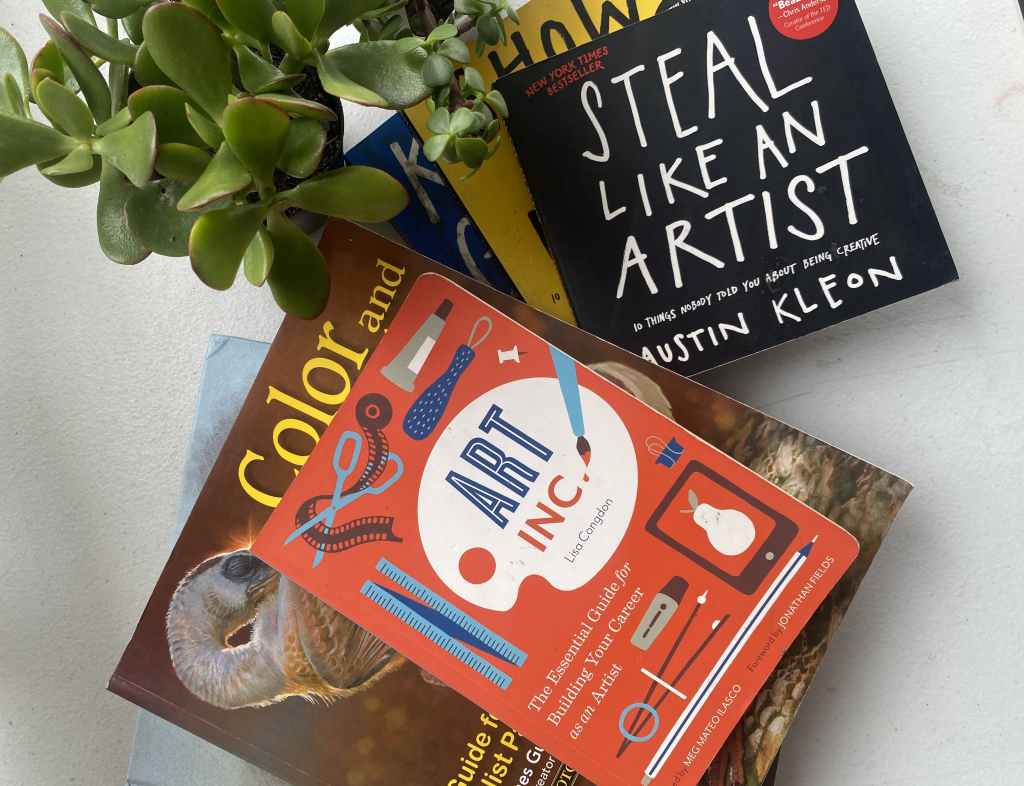
Hello there again! This is my overdue blog about the art books that I love and truly helped me. It will be divided into 4 categories namely:
(1) Art Foundations
(2) Creative Inspiration
(3) Business Side of Art
(4) To read
I have probably scoured numerous sources and these are the ones who stayed with me through out my artistic journey.
There are no watercolor books in here because I usually consume watercoloring knowledge through watching videos. Watercolor is also a very intuitive and the most flexible among the art mediums. The best watercolor artists, at least in my opinion are the ones who embody this medium’s “free-style/let the water do the work” aspect that books cannot fully capture.
Disclaimer: This is not a sponsored post. All opinions expressed here are based on my own unique experience with these books.
(1) Art Foundations
Every artist has to start somewhere but I cannot stress enough the importance of art fundamentals. Master the basics of creating and sculpting shapes and forms and you won’t need whatever “how to draw clothes or how to paint trees tutorial” there is on the internet.
The best place to start is mastering realism. I know this is cliche but even artists who developed their own style have a strong mastery of realism. You will need it if you want to stylize.
I have always dub this phase as “eating your vegetables.” A lot of newbie artists don’t want to do this because it’s unappetizing to them. They usually want to create their own stylized anime art that looks off. Doing the fundamentals (planes of the face, value scale, studies etc) over and over again may feel bland but this is actually good nourishment for the artist skill and understanding of the world.


Drawing Atelier: The Figure by Jon de Martin
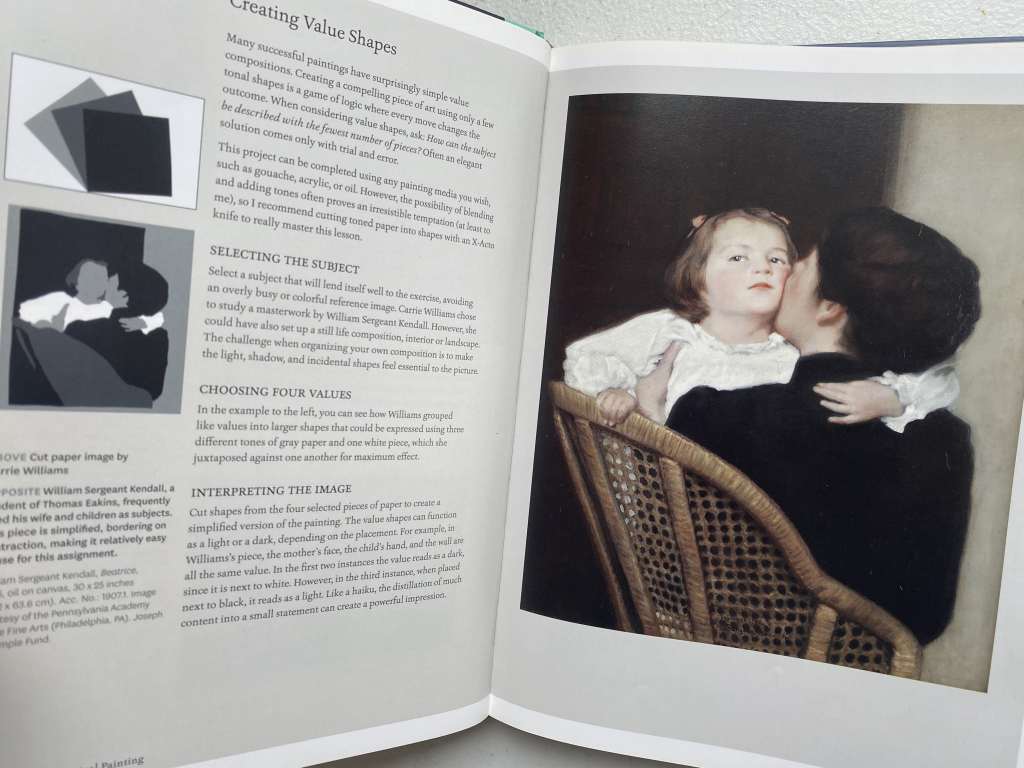
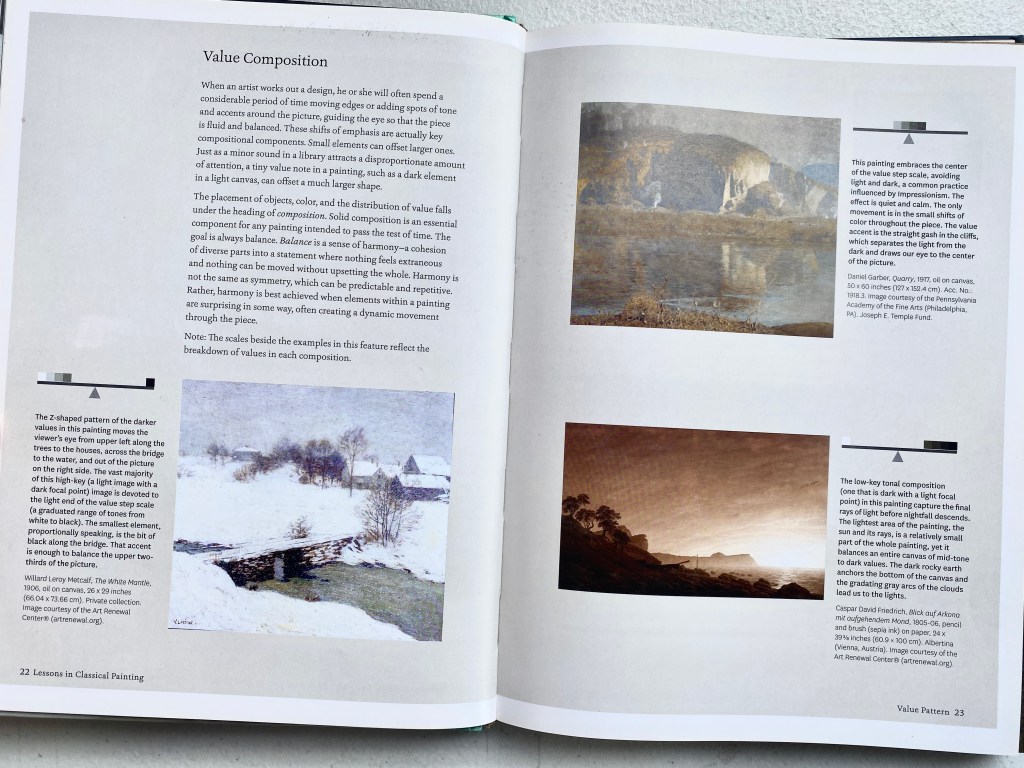
Lesson in Classical Painting by Juliette Aristedes
For drawing, I highly recommend the books above, but any classical method book is good. They pretty much teach the same European Atelier based methods. The classical method is the best way to upskill your visual spatial knowledge. It taught me that an artist should draw like a painter and paint like a sculptor. Grab these type of books if you have trouble capturing likeness or struggle with anatomy and foreshortening. Additionally, you can also do supplemental Bargue plates or better yet join an atelier based fundamental training. I took my classes at Galvez Atelier and it drastically changed the way I see things.
“Remember that it is your goal to not create a photographic likeness, but an emotional accuracy.”
– Juliet Aristedes
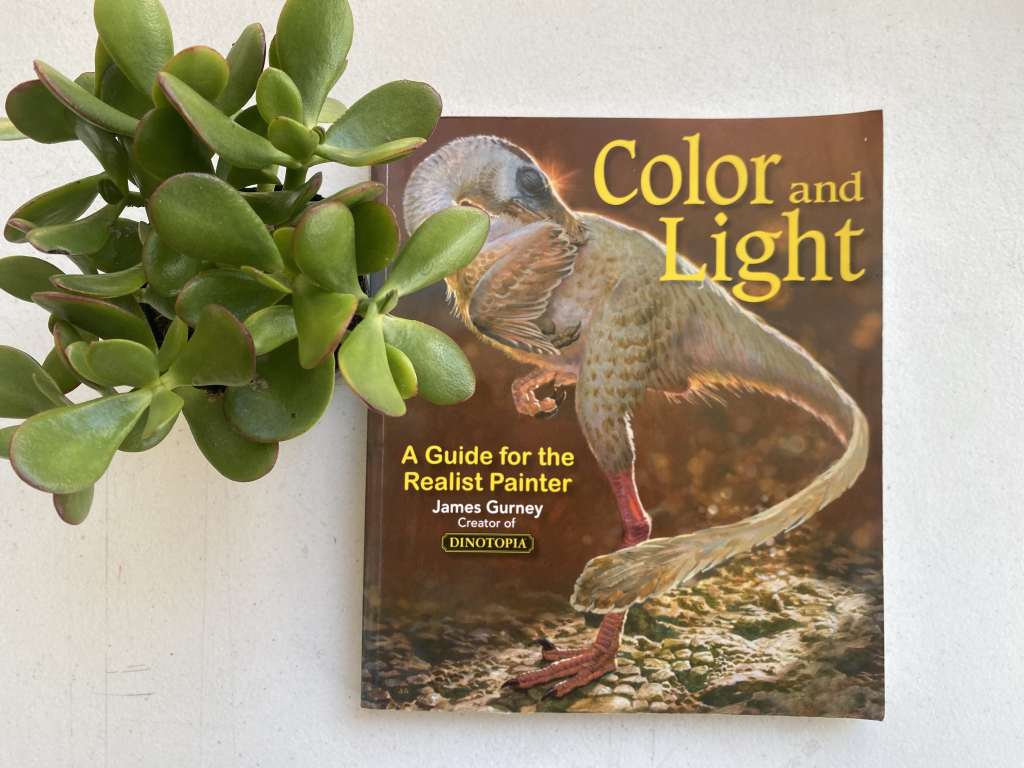

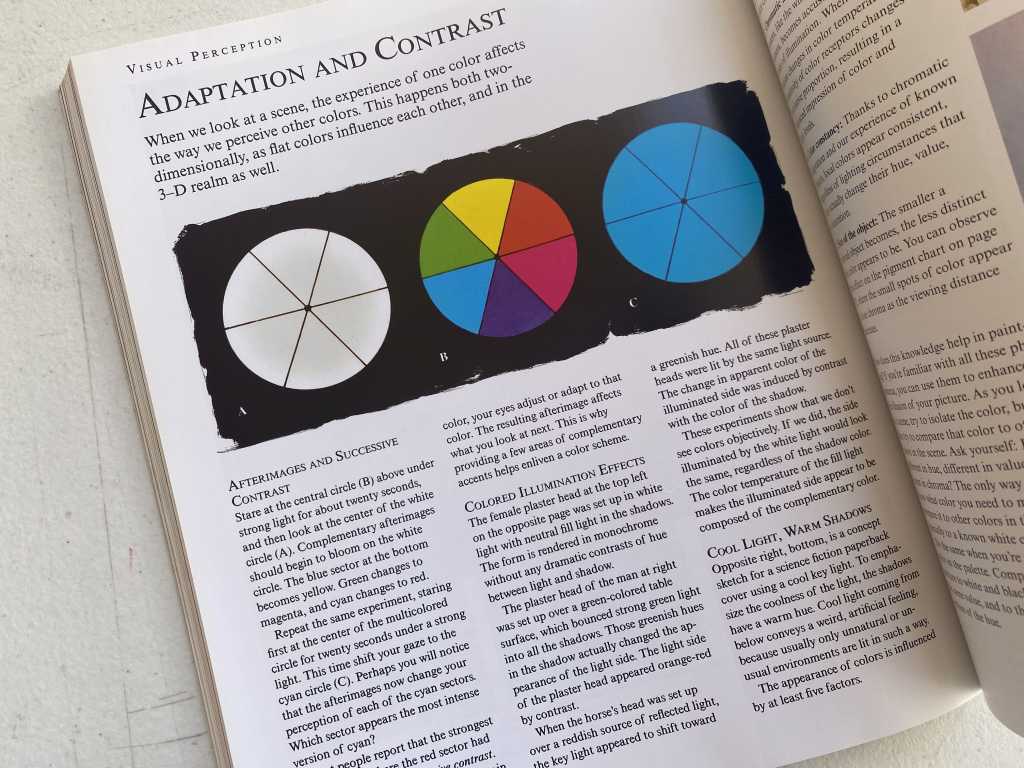
Color and Light by James Gurney
For painting, I only have James Gurney’s Color and Light. This is hands down the only book that taught me how to make sense of lighting and how it influences our 3d world. It teaches the basic of how light sculpts anything it touches, temperatures of light throughout the day, the concept of reflected light, how respected artists use their knowledge of light for effective emotional story telling and a lot more. Grab if you can. It saved my life and the lives of other artist friends I know.
“There is not a single brand of realism. Your paintings can be true to nature but emphasize different aspects of visual truth compared to another artist. The way you paint is a record of how you see. It will still be accepted as realism. This explains why Vermeer or Gérôme are instantly recognizable. Each is attentive to different facts of nature. Those who describe realism as slavish imitation miss this point.”
– James Gurney
Conclusion: Drawing and painting is more of how you observe and how you process tricky but subtle information rather than “hand skills.”
(2) Creative Inspiration
I only have Austin Kleon books for artist self-help. His books are short reads but I love them because it’s packed with witty humor and relatable quotes from famous people from all walks of life. His perspective not only applies to artists but also to people who want to pursue a creative life. I might want to purchase creativity books in the future…? But for now, this is good enough for me.
These books are great picks once you have started your creative journey or started a creative hobby. Questions like: “How to get more ideas?” Or “How to confidently share my work?” Or “How to get out of an art block?” might start to linger in your head and these books cover all three of those.

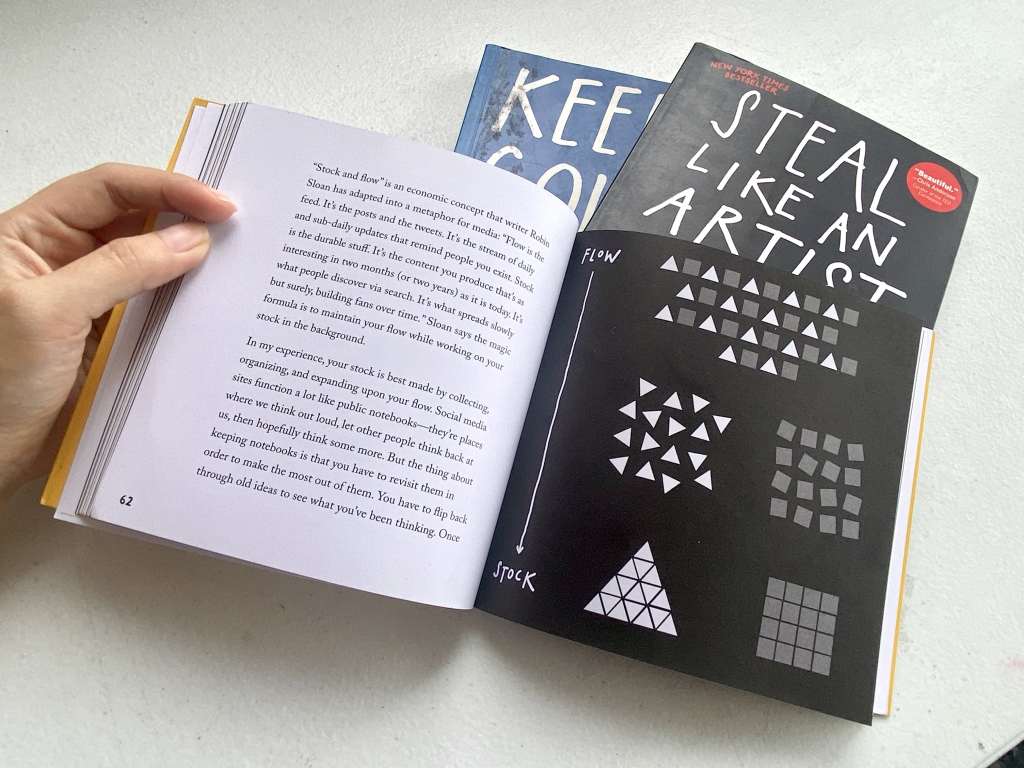
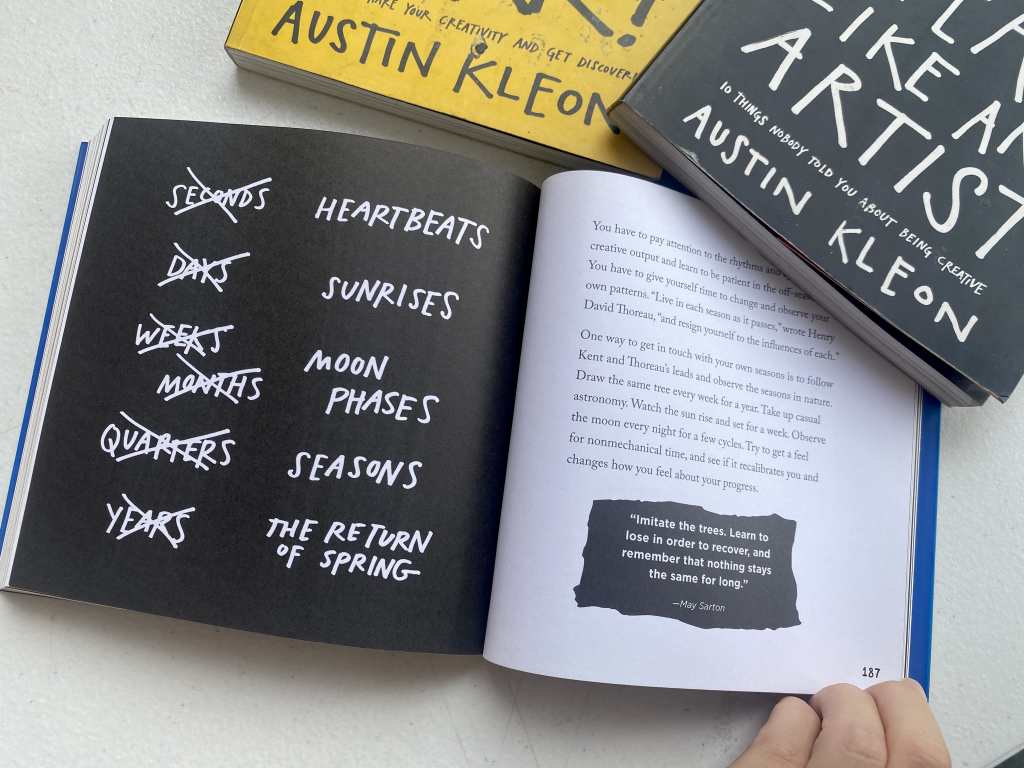

Steal Like an Artist by Austin Kleon
Steal Like an Artist is all about idea generation. It champions the idea that nothing is original and everything must come from something. The artist is a remix of everything they’ve ever loved, heroes they have always looked up to injected with personal experience and lore. This book encourages copying with dignity and grace. I read this book when I was exploring my style and I always recommend this to people asking me “Ate pano po ang style niyo?” ( Trans: How did I find my style?”)
“The artist is a collector. Not a hoarder, mind you, there’s a difference: Hoarders collect indiscriminately, artists collect selectively. They only collect things that they really love.”
– Austin Kleon
Show Your Work by Austin Kleon
Show Your Work feels similar with Steal Like an Artist but focuses more on artist visibility, building connections, and authenticity. I had this book when I became more confident with my art and had started building my instagram audience. It touches self-promotion but doesn’t dive deep on monetization. It is for you when you are a lil bit serious about pursuing art even if it’s just a hobby because it emphasizes the value of networking thru authenticity.
“As you put yourself and your work out there, you will run into your fellow knuckleballers. These are your real peers-the people who share your obsessions, the people who share a similar mission to your own, the people with whom you share a mutual respect. There will only be a handful or so of them, but they’re so, so important. Do what you can to nurture your relationships with these people. Show them work before you show anybody else. Keep them as close as you can.”
– Austin Kleon
Keep Going by Austin Kleon
Keep Going in my opinion is probably the most different among the three. This is more on self-help and less on the creative technicalities. It focuses on habits, routines, and things you could do to sustain a creative life. I started reading this when I first felt a looming burnout for the first 5 years of my watercolor journey. What I love about this book is it kept me grounded from all the things that I wanted to do as an artist. It also helped me find my rhythm or flow with balancing life and my creative pursuit.
“Rather than restricting your freedom, a routine gives you freedom by protecting you from the ups and downs of life and helping you take advantage of your limited time, energy, and talent.”
– Austin Kleon
(3) Business Side of Art
I’m fairly new on taking art more seriously that goes beyond receiving commissions from family, close friends, and peers. I finished reading only 2 books of this kind. Most of them are in my to read.

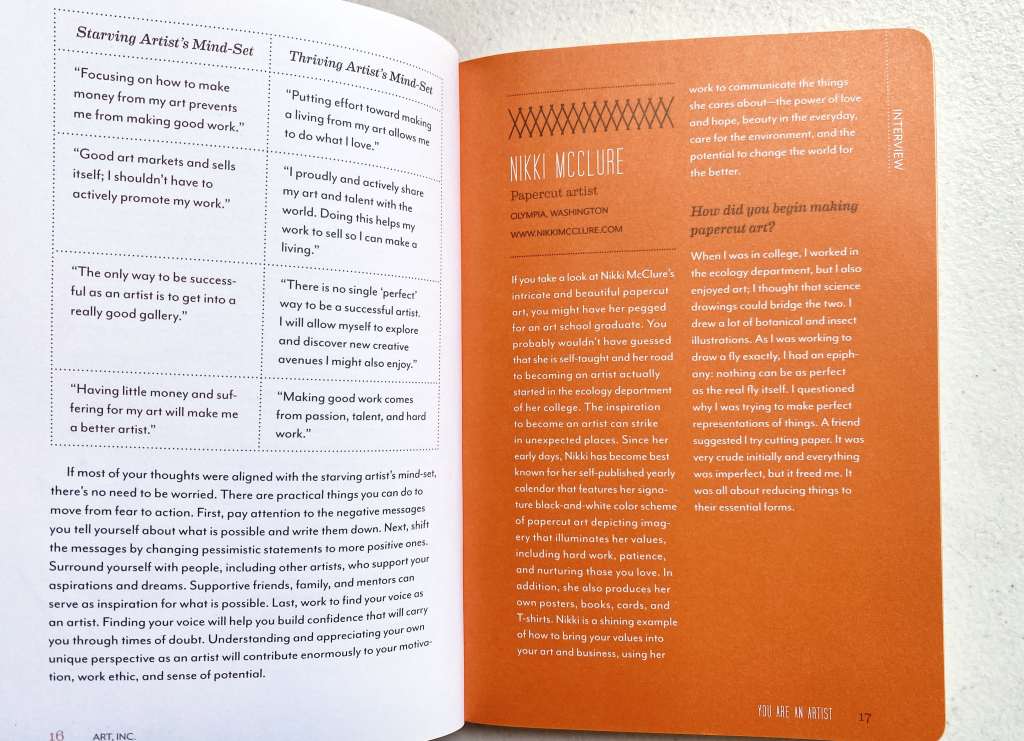
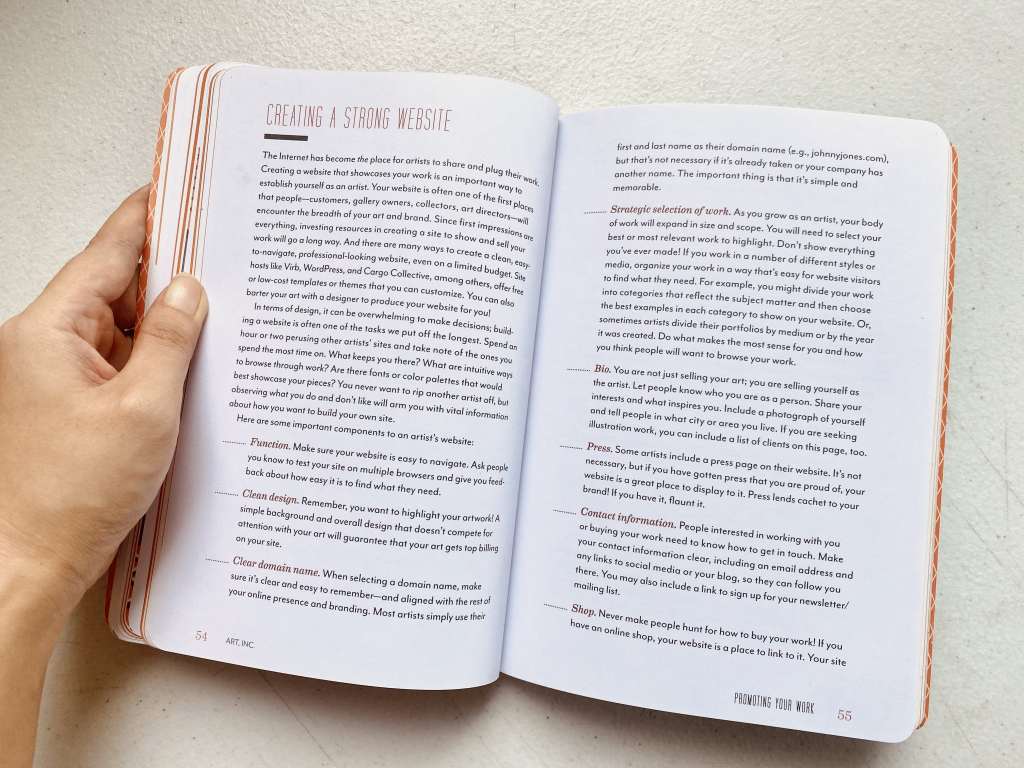
Art Inc.: The Essential Guide for Building Your Career as an Artist by Lisa Congdon
This is the book that I chose to be my starting point for monetization because the author is similar to what I aspire to be: a fine artist and an illustrator. The information presented here may be considered surface level for seasoned professionals but it covers broad and flexible avenues of where an artist can earn. What I love about this book is that there are stories from all sorts of artists and how they found success in their chosen fields. This is a great book to pick for the artsy spirit who still doesn’t quite know how or where to monetize their art.
One thing that is helpful, though, is to choose a journal size that is portable, so that you can carry it around with you. Make a habit of writing or drawing in your journal every day. Some days you’ll have only a quick five minutes and other days a whole hour to devote to it. Don’t worry about whether your writing makes sense or your ideas or drawings are any good. Eventually a pattern will emerge that will help unlock your mission as an artist and even identify new avenues for exploration.”
– Lisa Congdon
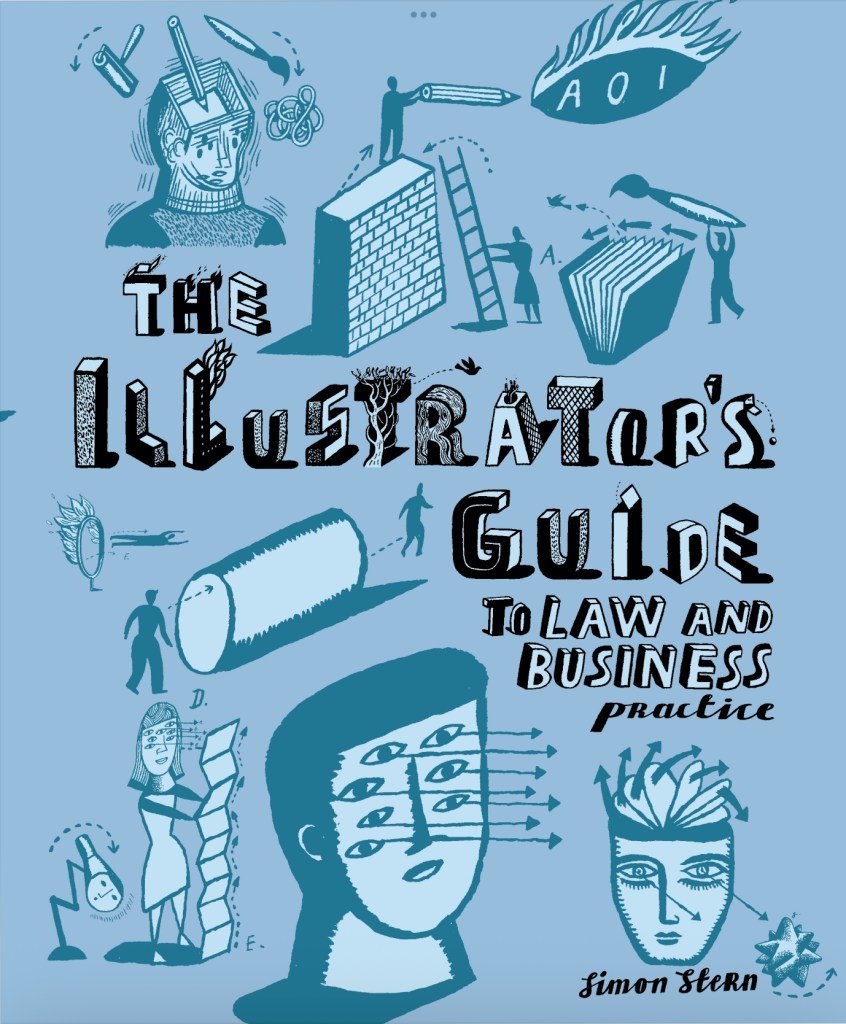


The Illustrators Guide to Law and Business Practice by Simon Stern
I did not have the original intention to buy this book because I could not find a local or a complete Philippine source that tackles comprehensive laws affecting the creative community and industry practice or rates. (Please let me know when you find one!)
The only things I could fully understand in this book was the concept of copyright and how to draft contracts.
As of this writing, it’s still wishy washy for me to apply the licensing concepts presented in this book. However, I still applied the process successfully with my clients and it’s going well so far. The Philippines still follow the same concept after all but the only way to have a full grasp of the industry is through diving in with business collaborations.
I always knew that art was much much more valued in progressive countries like the UK (the book was drafted based on the creative standards or practice in the UK). But I never imagined that creative work can be this lucrative. This is what made Kaws rich.
(4) To read
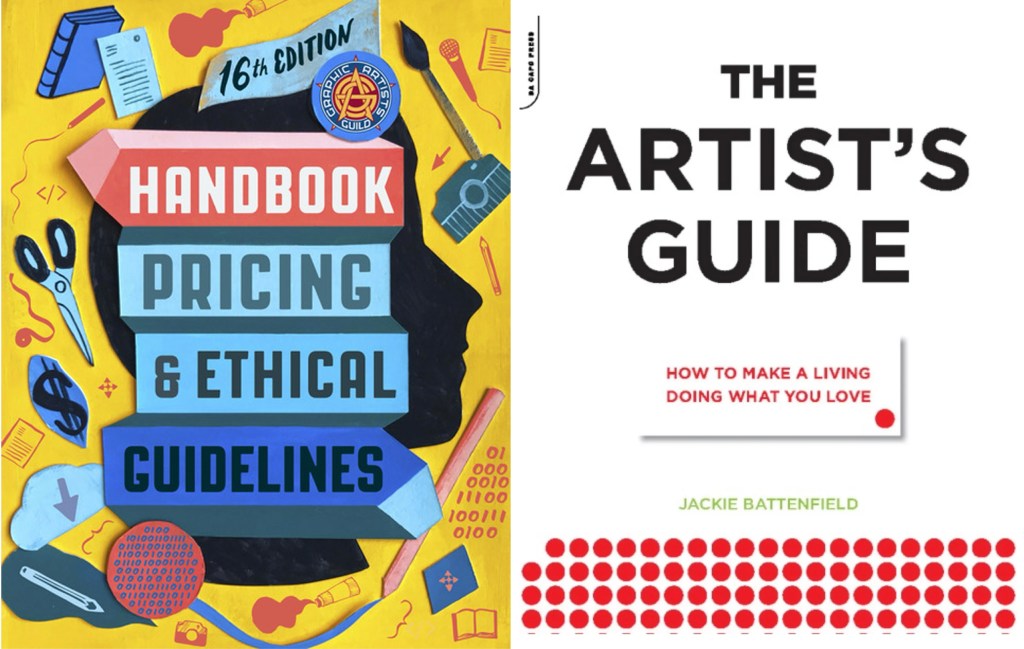
Graphic Artists Guild Handbook
Haven’t fully read and skimmed only a few pages. I feel like this is similar to Simon Stern’s book mentioned above but with the American creative industry. It’s at the very back of my reading list because of how beefy it is.
The Artist’s Guide: How to Make a Living Doing What You Love by Jackie BattenField
I am 75% done with this book. It focuses on the nitty gritty details of gallery work and other fine art aspects such as residencies, non-profit organizations and other “traditional” means to sell art. If you are an artist who wants to focus on this niche, this is a practical book to read.
That’s it for now! This list might get updated along the way. Thank you for reading!
 Penny Tan
Leave a comment